


At Fresh Dental Group, we believe every child deserves a comfortable, confident start to lifelong oral health. Our pediatric program combines clear communication, gentle techniques, and modern dental care to help children and families feel informed and supported at every stage of growth.

A child’s first dental visit sets the tone for how they feel about oral care for years to come. We focus on calm, predictable experiences that reduce anxiety and build trust, starting with welcoming communication, a child-friendly environment, and an explanation of every step in words parents and kids can understand. Our team uses distraction, playful language, and a slow, reassuring approach so that routine exams and cleanings feel manageable, even enjoyable, and we encourage parents to participate during early visits so children can get familiar with the tools and the chair without pressure.
When treatment is necessary, we prioritize comfort and clarity. We explain options in simple terms, answer questions patiently, and use techniques designed to minimize discomfort, so children leave appointments feeling proud of themselves and confident about returning.
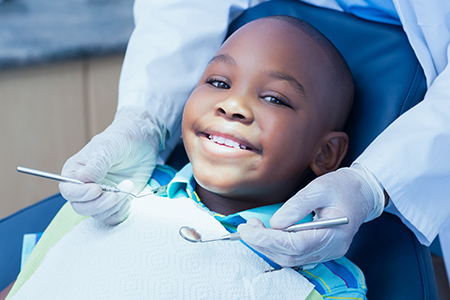
Prevention is the single most effective strategy for protecting young smiles. Small, consistent habits, twice-daily brushing with a child-sized soft brush, gentle flossing once teeth touch, and water instead of sugary drinks, make a dramatic difference over time. We help families build realistic routines and provide age-appropriate instruction as children grow: when to switch to fluoride toothpaste, how long to brush, and when to take on more responsibility. In-office options such as professional cleanings, fluoride varnish, and dental sealants add a quick, painless extra layer of protection for vulnerable surfaces.
Baby teeth matter, too: they support nutrition, speech development, and guide the permanent teeth into place. Even before the first tooth appears, we advise parents on cleaning gums after feedings, avoiding prolonged bottles with milk or juice, and easing teething discomfort. We recommend the first dental visit around a child’s first birthday, or sooner if there are concerns, so small problems never become big ones.
As children enter school and permanent teeth arrive, new priorities emerge. Regular checkups let us track growth, spot early signs of misalignment, and discuss orthodontic timing, often around ages 6 to 8, when less invasive interceptive treatment may be an option. We also coach families on tooth-friendly nutrition and, for kids in contact or high-impact sports, provide custom-fitted mouthguards that are comfortable, durable, and one of the simplest ways to prevent dental trauma.

Accidents happen: a fall on the playground, a blow to the mouth during sports, or sudden tooth pain can be frightening for both child and parent. We provide clear guidance on what to do in common dental emergencies and prioritize timely, compassionate care to relieve pain and protect future function.
Some children have medical or developmental needs that make typical appointments challenging. Our team is experienced in adapting treatment plans, pacing visits, and offering behavior-management strategies to make care safe and predictable. When appropriate, we discuss comfort-focused options to help children tolerate necessary procedures with dignity and minimal distress.
At Fresh Dental Group, we’re committed to guiding families through every stage of childhood dental care with practical advice, modern techniques, and a steady emphasis on prevention. If you’d like to learn more about our pediatric services or schedule a visit, please contact us for more information.
The American Academy of Pediatric Dentistry and the American Dental Association recommend a first dental visit by about a child's first birthday or within six months of the first tooth erupting. Early visits let clinicians evaluate growth and development, address feeding and oral hygiene practices, and identify risk factors for early childhood caries. Starting care early establishes a dental home and sets the stage for prevention and positive experiences.
At the initial appointment the team performs a gentle oral exam, reviews medical and feeding history, and offers age-appropriate guidance on brushing and pacifier or bottle use. Parents receive practical tips for home care and instruction on what to expect as teeth emerge. This early partnership helps prevent problems and makes later appointments more routine and comfortable for both child and family.
Routine dental checkups and professional cleanings are commonly recommended every six months for most children to maintain oral health and detect problems early. Children with a history of cavities, gum inflammation, or special medical considerations may need more frequent visits as determined by the dentist. Regular visits help remove plaque and tartar, reinforce good oral hygiene habits, and allow monitoring of tooth and jaw development.
At each visit the clinician reviews medical and dental history, performs a clinical exam, and updates preventive recommendations such as fluoride use or sealants when appropriate. Digital radiographs are taken only when necessary to evaluate developing teeth, detect hidden decay, or assess jaw growth. These assessments support timely care and help avoid more complex treatments later.
Preventing tooth decay begins with a consistent daily routine of brushing twice a day with an age-appropriate soft toothbrush and a smear or pea-sized amount of fluoride toothpaste based on your dentist's guidance. Limiting sugary snacks and beverages, replacing juice with water between meals, and avoiding prolonged bottle or sippy cup use at bedtime reduce exposure to decay-causing sugars. Encouraging healthy snacking, modeling good oral hygiene, and supervising brushing until a child can do it effectively are important preventive measures.
Parents should also schedule regular dental visits so providers can apply preventive treatments and offer personalized advice tailored to a child's risk level. The dental team can recommend fluoride varnish, topical fluoride, or sealants when indicated and will provide guidance on addressing habits such as prolonged pacifier use or nighttime bottle feeding. Combining home care with professional prevention creates the best defense against cavities.
Fluoride treatments strengthen tooth enamel and make it more resistant to acid attacks from bacteria and sugars, which helps reduce the risk of cavities. Topical fluoride varnish applied in the dental office is a safe, quick procedure that provides an additional layer of protection, especially for young children or those at higher risk for decay. Dental sealants are thin, protective coatings placed on the chewing surfaces of permanent molars and premolars to block grooves and pits where food and bacteria often accumulate.
Sealants are typically applied when the permanent back teeth come in and are a painless preventive option that can dramatically lower decay risk on those surfaces. Your dentist will evaluate your child's development and cavity risk to determine whether fluoride applications or sealants are appropriate and will integrate these measures into a comprehensive preventive plan. Regular checkups ensure these protections are monitored and refreshed as needed.
Teething is a normal stage of development and can cause irritability, drooling, chewing, and changes in sleep or appetite. Safe measures to soothe a teething baby include offering a chilled (not frozen) teething ring, gently rubbing the gums with a clean finger or a moist gauze, and providing soft, cool foods appropriate for the child's age. Avoid topical numbing gels or medicated teething products unless specifically recommended by your pediatrician or dentist.
If teething symptoms are severe or accompanied by high fever, prolonged refusal to eat, or other concerning signs, contact your child's healthcare provider for evaluation. The dental team can also advise on comfort measures and what to expect as teeth erupt. Maintaining good oral hygiene during teething helps prevent irritation and supports healthy tooth emergence.
Thumb and finger sucking are common self-soothing behaviors in infants and young children and typically cause few lasting problems if they stop by the preschool years. Persistent sucking beyond age 4 to 5 can begin to affect tooth position and jaw development, potentially contributing to open bite or altered palatal shape. If the habit continues as permanent teeth erupt, early discussion with the dentist can help determine whether interventions are recommended.
Dental professionals can offer strategies to help children stop the habit, including positive reinforcement, behavior modification techniques, and, if necessary, appliances in more persistent cases. Regular monitoring during routine dental visits allows the team to detect any developing orthodontic concerns early and coordinate timely referrals when appropriate. Working together with parents provides the best chance of ending the habit with minimal impact on dental development.
A properly fitted mouthguard is the most effective way to protect a child's teeth, lips, tongue, and jaw during sports and recreational activities that carry risk of facial injury. Over-the-counter boil-and-bite guards offer some protection, but custom-fitted mouthguards made by a dental professional provide the best fit, comfort, and protection because they are tailored to a child's mouth. Consistently wearing a mouthguard during practices and games significantly reduces the chance of dental trauma.
Your dentist can recommend the most appropriate type of mouthguard based on your child's age, the sport, and the level of contact involved, and can provide guidance on care and replacement as the child grows. Storing and cleaning the mouthguard properly helps maintain hygiene and performance. Encouraging routine use and making the mouthguard part of the sports routine helps normalize protective habits.
In the event of a dental emergency such as a painful toothache, a fractured or knocked-out tooth, or significant oral trauma, contact your dental office promptly for guidance and to arrange emergency care. Quick action can improve outcomes; for example, a permanent tooth that has been knocked out may be salvageable if replanted quickly or kept moist and seen by a dentist without delay. For severe bleeding, obvious fractures, or concerns about airway or breathing, seek immediate medical attention or go to an emergency department.
At Fresh Dental Group our team is prepared to assess injuries, alleviate pain, and provide the appropriate urgent treatments to protect your child's oral health and comfort. We will advise you on initial at-home steps to stabilize the situation and coordinate prompt in-office care when needed. After the emergency is addressed, follow-up visits help monitor healing and plan any necessary restorative or preventive care.
Sedation dentistry may be considered for children who have significant dental anxiety, special healthcare needs, difficulty sitting through treatment, or for procedures that require extended or complex care. The goal of sedation is to ensure safety, comfort, and cooperation while allowing the dentist to provide high-quality care in an efficient manner. Options range from mild, calming measures to deeper levels of sedation, and the choice depends on the child's medical history, age, and the nature of the treatment.
Before recommending sedation the dental team conducts a thorough medical and behavioral assessment and discusses risks, benefits, and preparatory instructions with parents or guardians. Our office follows established guidelines and works closely with families to choose the safest appropriate approach and to ensure proper monitoring during and after treatment. When used responsibly, sedation can make necessary care accessible and reduce traumatic experiences that might otherwise deter future dental visits.
The American Association of Orthodontists recommends that children have an orthodontic screening no later than age 7, when early signs of bite problems and jaw growth issues can often be detected. At this stage a dentist or orthodontist can identify conditions that may benefit from early intervention, such as crossbites, severe crowding, or habits affecting jaw development, and can develop a monitoring or treatment plan. Early evaluation does not always mean immediate treatment, but it allows timely intervention when growth modification or phased care can improve outcomes.
During routine dental visits the dentist will monitor facial growth, tooth eruption, and alignment and will refer to an orthodontist when warranted. If early treatment is recommended, the orthodontist explains goals and timing and coordinates care with the dental team to support healthy development. Keeping an eye on orthodontic milestones helps families plan and ensures children receive appropriate care at the right time.
New Patients Welcome
Schedule online any time, or call the office directly. We accept most major PPO insurance plans and offer flexible financing.
