

The image shows a man lying on his stomach with his head resting on his hands, appearing to be in a state of distress or disbelief, likely a screenshot from a video.
Fresh Dental Group

Sleep Apnea

Rest easier with dental sleep apnea treatment

A full night’s sleep is more than a luxury, it’s a foundation for daily function and long-term health. For many adults, that restful sleep is interrupted by sleep apnea, a common breathing disorder that affects an estimated 25 million people in the United States. Left unmanaged, sleep apnea can erode energy, memory, mood, and cardiovascular health. At Fresh Dental Group, we help patients understand their options and pursue solutions that restore safer, more restorative sleep.

Signs That Point Toward Sleep Apnea

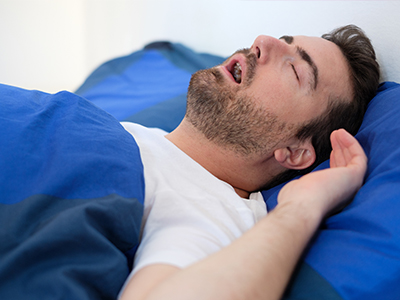
A man sleeping peacefully on a bed with his eyes closed.

Sleep apnea occurs when breathing repeatedly stops and starts during sleep. In the most common type, obstructive sleep apnea (OSA), the muscles and soft tissues at the back of the throat relax and narrow the airway. Each episode briefly reduces oxygen delivery and fragments sleep, preventing the deep, restorative stages the body needs. Over time, untreated sleep apnea is associated with higher rates of high blood pressure, irregular heart rhythms, stroke, and other health concerns, along with daytime sleepiness that affects work, driving safety, and quality of life.

Many people first learn of the problem from a bed partner who describes loud, habitual snoring, observed pauses in breathing, or sudden gasping during sleep. Others notice frequent nighttime awakenings, waking with a dry mouth or sore throat, persistent morning headaches, difficulty concentrating, memory lapses, or mood changes. Risk factors include excess weight, a thick neck, a naturally narrow airway, nasal obstruction, alcohol or sedative use before bed, and advancing age. Recognizing sleep apnea as a medical condition, not just loud snoring, is the first step toward meaningful change.

Getting a Clear Diagnosis and Choosing a Treatment

Custom oral appliance used to treat obstructive sleep apnea

Diagnosis begins with a thorough clinical evaluation by a physician or sleep specialist, and a focused oral and airway exam by a dental professional can identify anatomical contributors. A sleep study then provides objective data about breathing interruptions, oxygen levels, and sleep stages, either through an in-laboratory polysomnogram or a home sleep apnea test. Results guide the treatment plan, and care is often multidisciplinary, with physicians, sleep specialists, and dental providers working together.

Continuous positive airway pressure (CPAP) therapy delivers pressurized air through a mask to keep the airway open and works well for many patients, though some find the mask difficult to tolerate. Behavioral measures, such as adjusting sleep position, optimizing weight and fitness, avoiding alcohol or sedatives near bedtime, and treating nasal obstruction, can also reduce symptoms. Dental sleep medicine offers an important alternative: custom oral appliances that reposition the jaw and tongue to maintain an open airway. Whichever therapy is chosen, regular follow-up and coordination with your medical providers are essential.

Custom Oral Appliances: A Comfortable, Evidence-Based Option

Oral appliances are a proven, guideline-supported treatment for mild to moderate obstructive sleep apnea and for patients who cannot tolerate CPAP. Worn like a mouthguard, the device gently advances the lower jaw or stabilizes oral structures to reduce airway collapse. The process begins with a detailed exam and precise impressions or digital scans, followed by a fitting and adjustments to optimize comfort and airway improvement. Patients using an oral appliance consistently commonly experience reduced snoring, fewer breathing pauses, and more restorative sleep, and regular dental follow-up helps manage minor side effects such as temporary jaw soreness.

Sleep apnea is a common but treatable condition. If you or a loved one is experiencing loud snoring, witnessed pauses in breathing, or persistent daytime sleepiness, contact us to learn more about evaluation and treatment. Our team can help you navigate testing, coordinate with your medical providers, and explore solutions that restore safer, more restful sleep.

Frequently Asked Questions

What is sleep apnea?

+

Sleep apnea is a sleep-related breathing disorder characterized by repeated pauses in breathing during sleep. These pauses reduce oxygen levels and fragment normal sleep architecture, which can leave a person feeling unrefreshed. The most common form, obstructive sleep apnea, results from physical blockage of the upper airway.

Obstructive events occur when the soft tissues in the throat collapse or the tongue falls back during sleep, temporarily blocking airflow. Central sleep apnea, which is less common, involves a failure of the brain to send consistent breathing signals to the respiratory muscles. Both types disrupt restorative sleep and warrant professional evaluation when suspected.

What are common signs and health risks of sleep apnea?

+

Nighttime signs of sleep apnea often include loud, disruptive snoring, witnessed pauses in breathing, gasping or choking episodes, and restless sleep. Many people with the disorder also report frequent awakenings and nonrestorative sleep. Bed partners are often the first to notice breathing pauses or loud snoring.

During the day, sleep apnea commonly causes excessive sleepiness, difficulty concentrating, morning headaches, and irritability. Over time untreated sleep apnea is associated with higher risks of hypertension, heart disease, stroke, metabolic dysfunction such as diabetes, and impaired quality of life. Early recognition and treatment can reduce these long-term health risks.

How is sleep apnea diagnosed?

+

Diagnosis typically begins with a clinical evaluation that reviews symptoms, medical history, and a focused airway and dental examination. A sleep study is the definitive test and can be performed overnight in a sleep lab (polysomnography) or in the home with a validated home sleep apnea test. These tests record breathing patterns, oxygen levels, and other physiologic measures to determine the presence and severity of sleep apnea.

Dentists who provide dental sleep medicine also review sleep study results and work closely with sleep physicians to confirm diagnosis and develop a coordinated treatment plan. Imaging or airway assessments may be used in select cases to better understand anatomical contributors. A collaborative approach ensures both medical and dental factors are addressed safely.

What treatment options are available for sleep apnea?

+

Continuous positive airway pressure (CPAP) is a commonly prescribed treatment that delivers pressurized air to keep the airway open during sleep and is highly effective when used consistently. CPAP remains the first-line therapy for many patients with moderate to severe obstructive sleep apnea because of its proven ability to reduce apneas and improve oxygen levels. Success with CPAP depends on proper mask fit, pressure settings, and patient adherence.

Oral appliance therapy offers an alternative for patients with mild to moderate obstructive sleep apnea or for those who cannot tolerate CPAP. These custom devices reposition the jaw or tongue to help maintain an open airway and are fabricated and adjusted by trained dental professionals. Other approaches include positional therapy, weight management, targeted surgery, and implantable neurostimulation for selected candidates; the appropriate option depends on the individual's anatomy, severity, and medical status.

Choosing the right therapy usually requires input from both a sleep physician and a dental sleep specialist to balance effectiveness, safety, and patient preferences. Follow-up testing and ongoing monitoring help ensure the chosen treatment is controlling the condition. Regular reassessment allows for adjustments or combination therapy when needed.

How do oral appliances help treat sleep apnea?

+

Oral appliances treat obstructive sleep apnea by repositioning the lower jaw, tongue, or soft tissues to increase airway space during sleep. By advancing the mandible or stabilizing the tongue, these devices reduce airway collapse and can decrease the frequency and duration of apneas and hypopneas. The mechanism is mechanical and individualized based on the patient's anatomy and the appliance design.

Custom-made devices are created from precise dental impressions and calibrated to optimize airway patency while maintaining dental and jaw comfort. Effectiveness varies by patient but studies show meaningful improvements in many cases of mild to moderate apnea and in patients who snore. Periodic adjustments and monitoring are important to maintain efficacy and to address any dental or jaw changes over time.

Who is a good candidate for an oral appliance?

+

Ideal candidates for oral appliance therapy include adults with mild to moderate obstructive sleep apnea and individuals who primarily snore without significant oxygen desaturation. Patients who have difficulty tolerating CPAP therapy or prefer an alternative are often considered for a trial of an oral appliance. A prior diagnostic sleep study and medical clearance from a sleep physician are important steps before beginning dental sleep therapy.

Candidates must also have adequate dental health to support a device, including a sufficient number of healthy teeth or stable prosthetics and manageable periodontal status. Certain jaw or bite conditions may require special considerations and collaboration with the dental team. A thorough dental exam helps determine whether an oral appliance is both safe and likely to be effective for each person.

What should I expect during an evaluation for a dental sleep appliance?

+

An evaluation typically begins with a detailed review of your sleep history, daytime symptoms, and any existing sleep study results from your physician. The dentist will perform an oral and airway examination, document your bite, and take digital scans or impressions of your teeth to guide appliance fabrication. This visit also includes a discussion of treatment goals, potential benefits, and possible side effects of appliance therapy.

Once a custom device is fabricated, you will return for fitting and gradual titration to find the most effective comfortable position for your jaw. Follow-up appointments are scheduled to assess symptom improvement, verify fit, and adjust the appliance as needed. At Fresh Dental Group we collaborate with your sleep physician to confirm outcomes and coordinate any necessary follow-up testing.

Are oral appliances comfortable and what side effects should I expect?

+

Most patients adapt to an oral appliance within a few nights to a few weeks, but initial sensations such as increased salivation, dry mouth, or mild tooth and jaw discomfort are common. These symptoms are usually transient and diminish as the mouth adjusts to the device. Proper fabrication and careful titration by a trained dental provider help reduce discomfort and improve tolerance.

Long-term side effects can include minor changes in bite or tooth position, jaw joint stiffness, and, less commonly, persistent occlusal changes. Regular monitoring allows the dental team to detect and manage these effects early, adjusting the appliance or recommending alternative strategies when necessary. The benefits of reduced sleep-disordered breathing should be weighed against these potential changes in a shared decision-making process.

How should I care for and maintain my oral appliance?

+

Daily cleaning with a soft toothbrush, mild soap, or a nonabrasive denture cleaner helps prevent buildup of bacteria and prolongs the life of the appliance. Rinse the device after use and store it in a protective case when not in use to avoid warping or damage. Avoid exposure to high heat and inspect the appliance regularly for signs of wear or damage.

Routine follow-up appointments are important to verify ongoing therapeutic benefit and to make any necessary adjustments. The dental provider will check for fit, monitor dental and jaw health, and recommend replacement when wear compromises function. Proper care and periodic professional evaluation help ensure safety, comfort, and sustained effectiveness.

How does Fresh Dental Group coordinate care with sleep physicians?

+

Dental management of sleep apnea is part of a team approach that includes sleep physicians, primary care providers, and dental sleep specialists. We review diagnostic sleep studies and relevant medical records with the referring physician, share treatment progress, and discuss objective follow-up testing when needed. This interdisciplinary communication helps ensure that medical risks and dental interventions are balanced and aligned with overall health goals.

When an oral appliance is prescribed, Fresh Dental Group documents treatment outcomes and provides periodic updates to your sleep physician so therapy can be optimized. Collaborative care facilitates timely adjustments, such as changes in appliance settings or consideration of alternative therapies if the response is incomplete. This coordinated model supports safer, more effective long-term management of sleep-disordered breathing.

Fresh Dental Group

New Patients Welcome

Book with Dr. Resh

Schedule online any time, or call the office directly. We accept most major PPO insurance plans and offer flexible financing.

Maple Lawn
Monday
7:00 am - 5:00 pm
Tuesday
7:00 am - 5:00 pm
Wednesday
7:00 am - 5:00 pm
Thursday
7:00 am - 5:00 pm
Friday
7:00 am - 5:00 pm
Saturday
8:00 am - 2:00 pm
Hampstead
Monday
8:30 am - 5:00 pm
Tuesday
8:30 am - 5:00 pm
Wednesday
8:30 am - 5:00 pm
Thursday
8:30 am - 5:00 pm
Friday
8:30 am - 2:00 pm
Book Online