


When a cavity or minor fracture alters a tooth’s form or function, contemporary composite fillings provide a reliable way to rebuild and protect the tooth while keeping its appearance natural. These restorations are made from a tooth-colored resin carefully matched to the surrounding enamel, so repairs are both discreet and durable. For many patients, composites offer a balance of strength and aesthetics that older metal restorations cannot.
Composite fillings bond to the tooth structure rather than simply filling a void, which helps restore stability and reduces the need to remove healthy enamel during preparation. This adhesive approach supports the remaining tooth and creates a tight seal that resists bacterial penetration. At Fresh Dental Group, our clinicians favor techniques and materials that prioritize conservation and natural appearance, and most composite restorations are completed in a single visit.

Because composite materials adhere to both enamel and dentin, less healthy tooth tissue typically needs removal compared with traditional metal fillings. Preserving more of the natural tooth is better for long-term strength and can reduce the risk of future complications. Composites are also free of metals and mercury, an important consideration for patients seeking non-metallic solutions.
Cosmetically, composites can be layered and sculpted to reproduce subtle contours, translucency, and surface texture so the repaired area blends into the smile. From a clinical perspective, bonding helps distribute chewing forces across the repaired tooth rather than concentrating stress at a single junction, which contributes to the restoration’s longevity and helps maintain natural function through everyday use.
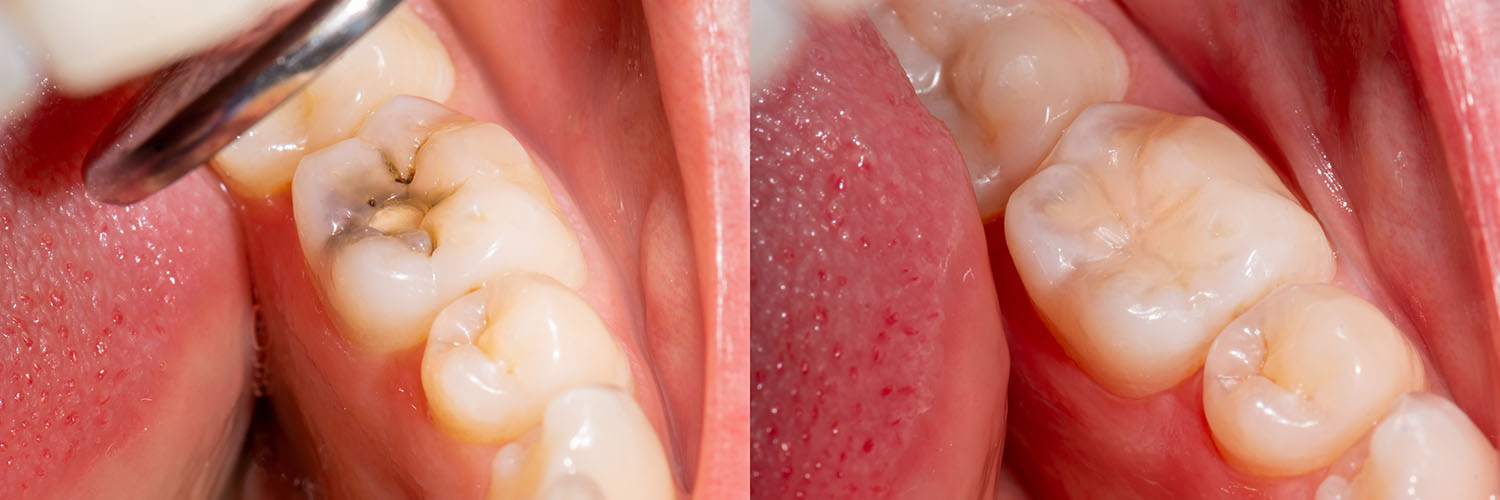
A filling appointment typically begins with a careful exam and, if needed, digital X-rays to determine the extent of decay. Local anesthesia is used as required to ensure comfort while the tooth is prepared. Our clinicians work precisely to remove only the compromised tissue, preserving as much of the healthy tooth as possible. If dental procedures make you anxious, we can discuss comfort options in advance.
After preparation, the tooth is isolated and treated with a bonding protocol that promotes a secure union between the composite and natural tooth. The resin is applied in controlled layers; each layer is sculpted to restore anatomy and then light-cured to harden. Once complete, we check the restoration against the opposing teeth to confirm a comfortable bite, then polish it so the filling resists staining and blends with adjacent enamel.
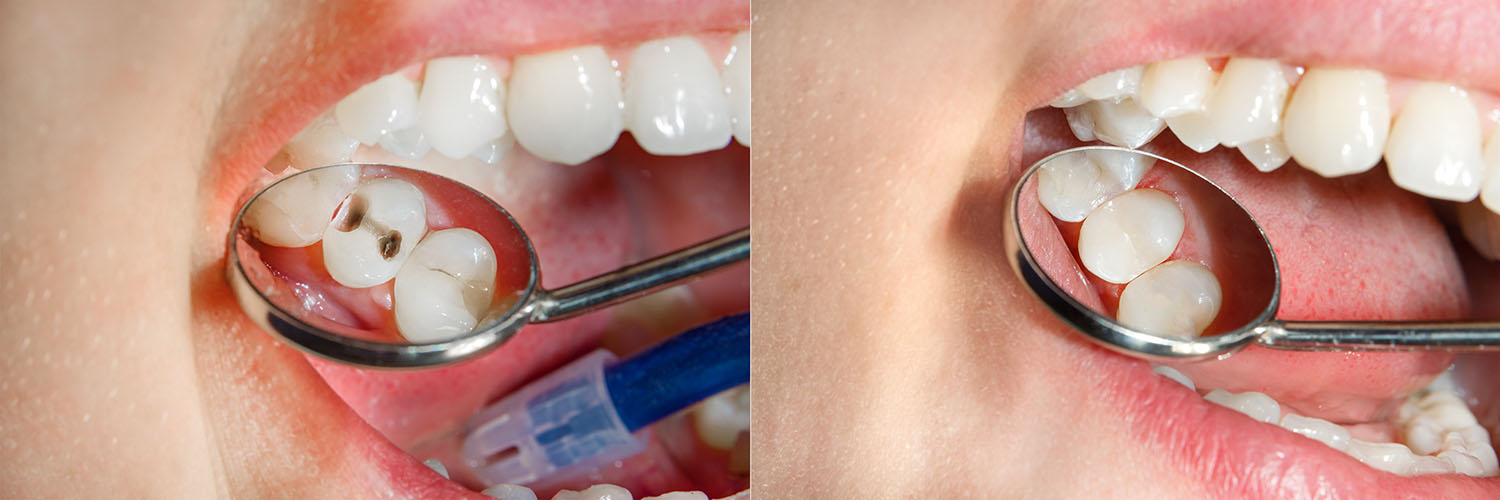
Following placement, it is normal to experience temporary numbness from anesthesia and slight sensitivity as the tooth acclimates. Sensitivity to temperature or pressure usually fades over a few days to a couple of weeks; persistent or worsening symptoms should be evaluated so adjustments can be made.
Good hygiene protects both the restored tooth and the rest of your smile. Brushing with fluoride toothpaste, daily flossing, and routine checkups allow your dental team to monitor the filling for wear and any signs of recurrent decay. Avoiding habits like nail biting, ice chewing, or using teeth to open packages helps prolong the life of a filling.
Sometimes a filling is one part of a larger plan. Extensive decay, weakened cusps, or fractures that compromise structural integrity may call for onlays, crowns, or in some cases root canal therapy followed by a protective restoration. Conservative repairs are preferred whenever possible, but when a tooth requires more substantial rebuilding, modern materials can restore durability without sacrificing appearance. We present clear, evidence-based recommendations so you understand the rationale behind each option.
Our goal is to restore your tooth in a way that looks natural, feels comfortable, and supports long-term oral health.
Fresh Dental Group is committed to providing thoughtful, conservative restorative care that blends modern materials with careful technique. If you’d like more information about fillings or want to discuss how we can protect and restore a compromised tooth, please contact us for additional details and next steps.
Composite fillings are restorations made from a blend of resin and glass or ceramic filler that mimic the appearance of natural tooth enamel. They are used to rebuild a tooth after decay or minor damage, restoring both form and function. Because they bond directly to the tooth, composites allow for a more conservative preparation compared with some traditional restorations.
These fillings are mercury-free and can be matched to the shade of surrounding teeth for a discreet result. The material is versatile and suitable for both front and many back teeth when cavities are small to moderate in size. Proper placement and routine care help the restoration integrate with the tooth and perform reliably over time.
Placement begins with a careful examination and removal of the decayed or weakened tooth structure under local anesthesia to keep the area comfortable. The tooth is cleaned and treated with an adhesive system, then the composite resin is placed in thin layers and each layer is hardened with a curing light. After layering, the dentist sculpts the filling to match the tooth's natural contours and checks the bite for proper function.
Finally, the surface is polished to achieve a smooth finish that resists staining and plaque buildup. We take time to explain each step and answer questions so patients understand the process and aftercare. If needed, sedation options are available for patients who prefer extra comfort during treatment.
Composite materials are widely used in modern dentistry and are considered safe and biocompatible for most patients. They are free of metals and are engineered to provide a strong bond to enamel and dentin, which helps support the remaining tooth structure. While no restoration is indestructible, composites perform well for many routine restorations and have a track record of successful use.
Durability depends on factors such as the size and location of the filling, chewing forces, and oral hygiene habits. Composites can wear, chip, or stain over time, but minor problems are often repairable without replacing the entire restoration. Regular dental exams allow early detection of wear or recurrent decay so repairs or adjustments can be made promptly.
The lifespan of a composite filling varies, but many last several years and commonly range from five to ten years depending on use and maintenance. Smaller restorations in low-stress areas generally last longer than large fillings in high-chewing-force zones. Good oral hygiene, a low-sugar diet, and protection from habits like grinding can all extend the service life of a filling.
Regular dental checkups are essential to monitor the condition of restorations and detect any issues early. If a filling shows signs of wear, leakage, or recurrent decay, the dentist can recommend repair or replacement based on the extent of the problem. Timely attention to small changes helps preserve the health of the tooth and avoid more extensive treatment later.
Yes, composite fillings are matched to the natural shade of your teeth using a shade selection process under controlled lighting. Dentists select from a range of composite shades and can layer materials to replicate translucency and shape for a natural appearance. The goal is to make the restoration blend seamlessly so it is difficult to distinguish from adjacent enamel.
Over time, composites can pick up stains from foods, beverages, or tobacco, which may alter the initial match. Polishing during routine cleanings can reduce surface staining, and in some cases the restoration may be refreshed or replaced to restore color harmony. For very large or heavily stained teeth, other restorative options may be discussed to achieve the best aesthetic outcome.
After the appointment you will likely feel temporary numbness from the local anesthesia, so avoid chewing until sensation returns to prevent accidental biting of the lips or cheeks. It is common to experience mild sensitivity to hot, cold, or pressure for a few days as the tooth adjusts to the restoration. This sensitivity typically diminishes naturally, but you should report persistent or worsening pain to the dental team.
If you notice any sharp pain when biting, a rough spot on the filling, or prolonged sensitivity, the dentist can evaluate the restoration and make any necessary adjustments. Routine brushing and flossing around the restored tooth will help maintain the margin and reduce the risk of recurrent decay. Follow-up visits allow the dentist to check the filling and confirm it remains comfortable and functional.
Composite fillings are suitable for many small- to medium-sized cavities and are frequently used on front teeth and premolars where appearance matters. For very large cavities, teeth with extensive structural loss, or molars that endure heavy chewing forces, an indirect restoration such as an onlay, crown, or inlay may provide greater long-term strength. The dentist will evaluate the amount of remaining tooth and recommend the most appropriate option based on function and preservation of tooth structure.
In some cases a composite onlay or reinforced composite can be a conservative alternative to a full crown when a significant portion of the tooth remains. Material choice also depends on location, bite forces, and aesthetic priorities. A treatment plan will outline the benefits and limitations of each option so you can make an informed decision about restoring the tooth.
Caring for a tooth with a composite filling starts with consistent home oral hygiene: brush twice daily with fluoride toothpaste and floss daily to remove plaque along the margins of the restoration. Avoiding hard, sticky, or excessively chewy foods can reduce the risk of chipping or dislodging a filling, and limiting sugary snacks helps prevent new decay around the restoration. If you grind or clench your teeth, a protective nightguard can reduce harmful forces that shorten the life of fillings.
Regular dental visits for professional cleanings and examinations let the dentist monitor the condition of fillings and detect any changes early. If you notice a rough edge, discoloration, or sensitivity that does not improve, contact the office so the restoration can be assessed. Timely maintenance and prompt repairs help preserve the tooth and prevent the need for more extensive treatment.
Yes, several restorative materials and approaches can be used depending on the clinical situation, including dental amalgam, ceramic inlays or onlays, gold restorations, and glass ionomer materials for specific indications. Each option has advantages and trade-offs related to strength, longevity, aesthetics, and tooth preparation requirements. The choice of material depends on factors such as cavity size, tooth location, esthetic needs, and the amount of healthy tooth structure remaining.
Your dentist will explain the alternatives and recommend the most appropriate restoration for your tooth based on clinical findings and long-term prognosis. In some cases an indirect restoration fabricated in a lab will provide superior durability for larger defects, while direct composite remains a conservative choice for many everyday cavities. Shared decision-making helps match treatment to your functional and cosmetic goals.
Signs that you may need a filling include localized tooth pain, sensitivity when eating or drinking, visible dark spots or holes, and food trapping near a specific tooth, though some cavities produce no symptoms and are detected on examination. During a diagnostic visit the dentist will visually inspect the teeth, probe suspicious areas, and usually take radiographs to evaluate the extent of decay below the surface. A thorough assessment also considers bite relationships and the health of surrounding gum and tooth structures.
After diagnosing a cavity, the dentist will discuss treatment options, explain the recommended approach, and outline what to expect during the procedure and recovery. At Fresh Dental Group's Fulton and Hampstead offices we focus on conservative treatments that preserve tooth structure while restoring function and appearance. If you suspect a problem or are due for a checkup, scheduling an exam will let the dental team evaluate your needs and recommend appropriate care.
New Patients Welcome
Schedule online any time, or call the office directly. We accept most major PPO insurance plans and offer flexible financing.
