


Modern materials and techniques make replacing missing teeth more comfortable and natural-looking than ever. While fixed options like dental implants and bridges are excellent choices for many patients, removable dentures remain a reliable and versatile way to restore a complete, functional smile for people with multiple missing teeth.
At Fresh Dental Group, we design and fabricate dentures using high-quality materials and careful clinical planning so they fit comfortably, look natural, and support facial contours. Every treatment plan begins with a clear understanding of your needs, oral health, and daily life, so you can speak, eat, and smile with confidence.

Losing teeth affects more than appearance. Gaps change how your bite distributes forces, which can lead to extra wear on remaining teeth and cause shifting or tilting over time. Missing teeth also reduce chewing efficiency, which can influence nutrition, and can affect speech, particularly when front teeth are gone.
The jawbone needs stimulation from teeth to maintain its shape. When teeth are lost, the bone slowly resorbs, altering facial contours and making the lower face appear shorter or more collapsed. Replacing missing teeth helps preserve bite relationships and facial support.
Dentures address these problems with a removable appliance: artificial teeth set into a base that rests against the gums. Modern denture teeth and acrylics mimic natural shape, color, and translucency for a lifelike appearance, and removability makes daily cleaning and future adjustments straightforward.
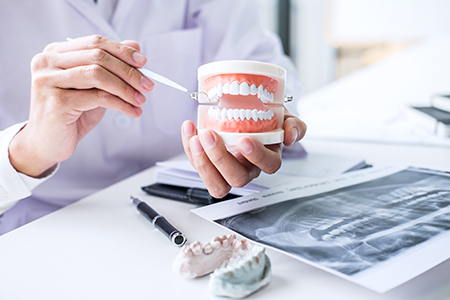
Selecting the best denture begins with a thorough exam of your remaining teeth, gums, bone support, and bite. Full (complete) dentures replace all the teeth in the upper arch, lower arch, or both. Partial dentures fill one or more gaps while attaching to existing teeth for support, helping prevent neighboring teeth from drifting. Partial frameworks may be cast metal, flexible resin, or hybrid materials, each balancing strength, comfort, and esthetics.
Timing and retention shape the plan. A conventional complete denture is made after healing from extractions is finished, which often yields a precise fit once tissues settle. An immediate denture is placed the same day as extractions so you never go without teeth, though it commonly needs adjustments and relines as healing progresses. The first decision is usually between full and partial dentures.
For added stability, an overdenture fits over remaining tooth roots that help retain the prosthesis and preserve bone. Implant-supported dentures attach to dental implants anchored in the jaw; even a small number of implants can dramatically improve retention and chewing efficiency, especially for lower arches that tend to move during function.

A successful denture starts with a complete evaluation, including medical and dental history, soft-tissue inspection, and diagnostic imaging when needed. Impressions, bite records, and try-ins verify tooth shape, color, and occlusion before the final prosthesis is processed. After delivery, follow-up visits address any sore spots, adjustments, or relines as tissues adapt.
Adapting takes a little time. Many people notice increased saliva at first and need a short period to regain normal speech; reading aloud helps. Approach eating gradually: start with soft foods, cut items into small pieces, and chew on both sides to distribute forces evenly. Most patients find their new denture comfortable within a few weeks.
Daily care is essential. Rinse dentures after meals, brush them with a denture brush and nonabrasive cleanser, and remove them at night, soaking them in water or a recommended solution. Regular dental checkups let us examine your oral tissues, monitor fit, and recommend relines, repairs, or even future implant support to enhance retention.
If you have questions about whether dentures are the right solution for you, or want to learn more about the process and what to expect, contact us for more information. We’re happy to discuss options and help you make an informed decision.
Dentures are removable prosthetic appliances that replace missing teeth and the surrounding gum tissue. They consist of artificial teeth set into a supportive base that rests on the gums and recreates the appearance and basic function of natural teeth. Dentures help restore biting and speaking ability and support facial contours to reduce a sunken look that can follow tooth loss.
Unlike fixed restorations such as bridges or implants, dentures can be removed for daily cleaning and tissue care. Partial dentures fit around remaining natural teeth and use clasps or precision attachments, while full dentures replace all teeth in an arch and rely on tissue support, suction, or additional attachment methods. Proper fit, occlusion, and balanced function are essential to comfort and the long-term health of the supporting tissues.
People who have lost multiple teeth or who have remaining teeth that are not restorable are commonly considered candidates for dentures. Candidacy depends on oral health, the condition of remaining teeth and soft tissues, jawbone anatomy, and overall medical status, together with a patient's functional and aesthetic goals. A comprehensive clinical exam and diagnostic imaging help determine whether a partial or complete denture is the best option.
At Fresh Dental Group, the dental team evaluates tooth stability, tissue health, and bone support to recommend an individualized restorative plan. In some cases, preliminary procedures such as extractions, tissue shaping, or implant placement are advised to optimize fit and long-term outcomes. Patient preferences about removability, maintenance, and treatment timeline also influence the recommended solution.
The two main categories of removable dentures are full (complete) dentures and partial dentures, and each category includes several variations. Full dentures replace all teeth in the upper or lower arch and can be conventional, immediate, overdentures, or implant-supported, depending on the clinical situation. Partial dentures replace one or more missing teeth and attach to adjacent natural teeth with clasps, precision attachments, or a metal or flexible framework.
Immediate dentures are placed at the time of extraction to avoid a period without teeth but typically require adjustments as tissues heal. Overdentures fit over retained roots or implants to increase retention and help preserve bone, while implant-supported dentures attach to dental implants for superior stability and chewing performance. Material and attachment choices are selected to balance durability, comfort, and esthetic needs.
The denture process begins with a detailed clinical exam, impressions or digital scans, and diagnostic imaging to evaluate the jawbone and soft-tissue anatomy. The dentist and patient discuss treatment goals and design a plan that may include extractions, provisional prostheses, or implant placement depending on the case. Accurate records of bite relationships and tooth shade and shape guide laboratory fabrication to achieve a natural look and comfortable function.
Fabrication typically involves try-in appointments to confirm fit, occlusion, and appearance before the final denture is processed and delivered. After insertion, the dentist makes necessary adjustments and provides instructions for wear, cleaning, and follow-up care at the Fulton and Hampstead offices. Periodic visits allow the team to monitor tissue changes and to perform relines or repairs as needed to maintain a good fit.
Wearing a new denture usually requires a short adaptation period during which increased saliva, mild soreness, and temporary changes in speech are common. These symptoms generally improve over days to weeks as the oral tissues adapt and the wearer becomes accustomed to the appliance. If a sore spot develops, the dental team can identify and relieve the area during an adjustment visit for improved comfort.
Eating with a new denture is best started with soft, well-cut foods and progresses gradually to firmer textures while chewing on both sides to stabilize the prosthesis. Practicing speech by reading aloud or talking helps accelerate verbal adaptation and confidence. Regular follow-up appointments ensure adjustments are made and any persistent issues are addressed promptly.
Daily care for dentures includes rinsing after meals, brushing the prosthesis with a soft denture brush and nonabrasive cleaner, and soaking overnight in water or a recommended denture solution. Avoid abrasive cleaners or household products that can scratch acrylic and damage the denture surface. Handle dentures carefully over a soft surface or a sink filled with water to reduce the risk of dropping and breaking them.
It is equally important to clean any remaining natural teeth, gums, tongue, and palate with a soft toothbrush to remove plaque and protect tissue health. Remove dentures at night to allow tissues to rest and to reduce the risk of irritation and infection. Routine dental checkups include a comprehensive oral exam to evaluate tissue condition, denture fit, and the need for relines or repairs.
Yes. Implant-supported dentures attach to dental implants placed in the jaw and provide far greater retention and stability than conventional tissue-supported dentures. Depending on the design, these prostheses can be removable (snap-on) or fixed to the implants, and they generally restore chewing ability and comfort to a level closer to natural teeth. Implant support also helps transmit chewing forces to the bone, which can slow bone resorption and preserve oral structure.
Candidates for implant-supported dentures must have sufficient bone volume and be healthy enough for implant surgery; in some cases bone grafting or other preparatory procedures are needed. Implant-supported solutions require coordinated surgical and prosthetic planning using imaging and precise placement for predictable results. Patients interested in this option can discuss implant planning and timelines with the implant team at Fresh Dental Group.
The functional life of a denture depends on material quality, oral conditions, maintenance, and how well the denture is cared for, but many prostheses remain serviceable for several years. Over time the jawbone and soft tissues remodel, which can change the fit and stability of a denture even when the appliance itself shows little wear. Regular examinations let the dental team assess fit and function and recommend maintenance or replacement when appropriate.
A reline is a procedure that refreshes the denture's tissue-bearing surface by applying new material so the prosthesis conforms to the current shape of the gums and underlying bone. Relines restore intimate contact, improve retention, and can extend the useful life of a well-made denture when tissue changes are moderate. When tissue or occlusal changes are extensive, fabricating a new denture may provide the best long-term result.
Properly designed dentures restore tooth proportions and support for the lips and cheeks, improving facial contours that may slump after tooth loss. Careful selection of tooth size, shape, and shade helps the prosthesis look natural and harmonize with a patient's facial features while providing appropriate tissue support. The dentist balances aesthetic goals with functional needs to achieve a restoration that looks good and performs well.
Because bone resorption can continue over time, facial support may change and require adjustments, relines, or replacement of the denture to maintain appearance and comfort. In some cases, implant-supported solutions provide enhanced long-term support by preserving bone and stabilizing the prosthesis. Discussing long-term expectations during treatment planning helps patients choose the option that best meets their aesthetic and functional priorities.
Contact your dental office if you experience persistent sore spots that do not respond to adjustments, sudden looseness of the denture, difficulty swallowing, or signs of infection such as persistent redness, swelling, or discharge. A cracked or broken denture should be evaluated and repaired promptly rather than worn, because continued use can cause tissue injury or further damage. New or worsening pain while chewing or a sudden change in bite also warrants an evaluation to identify underlying causes.
Even without acute problems, routine follow-up visits are important so the dental team can monitor tissue health, check fit, and schedule maintenance such as relines or repairs. If your denture becomes unstable enough to affect nutrition, speech, or daily life, an assessment can determine whether adjustments, relining, or alternative treatments are appropriate. Early attention to changes helps preserve oral health and improves long-term outcomes.
New Patients Welcome
Schedule online any time, or call the office directly. We accept most major PPO insurance plans and offer flexible financing.
