


At the office of Fresh Dental Group we always prioritize saving natural teeth whenever it is safe and sensible to do so. Still, there are situations when removing a tooth is the most responsible way to prevent ongoing pain, limit infection, or protect neighboring teeth. Deciding to extract is a clinical judgment based on your history, symptoms, and diagnostic imaging.
Because every mouth and every tooth is different, we explain the reasons behind our recommendations in plain language and outline alternatives when appropriate. You can expect a thorough discussion about what removal means for your bite and the options for replacing the missing tooth.

Extractions are most often recommended when a tooth is beyond predictable repair or is threatening the health of the teeth around it. Permanent teeth with decay that has reached the nerve or destroyed too much structure, and teeth fractured into the root, frequently cannot be reliably rebuilt. Removing them resolves pain and eliminates a source of infection.
Advanced gum disease is another common cause: when significant bone and soft-tissue support has been lost, mobile and painful teeth may need removal to halt disease progression. Wisdom teeth that lack space to erupt can become impacted, decay neighboring molars, or inflame the surrounding tissue, so removing poorly positioned third molars often prevents recurring problems.
Sometimes extraction serves a bigger plan. Over-retained baby teeth that block a permanent tooth’s eruption may be removed to guide proper alignment, and when the jaw is too small to accommodate all permanent teeth, selective removal can be an important step during orthodontic therapy.
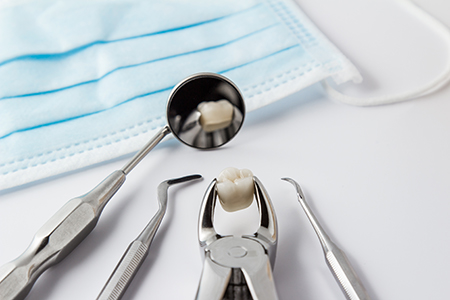
Before any procedure, your dentist reviews your health history, examines the tooth, and often takes digital X-rays to see the roots and surrounding bone. Be sure to tell us about any medications you take, including blood thinners and supplements, and follow any pre-surgical instructions such as fasting for sedation or arranging transportation home. We’ll also discuss pain control and sedation options so you know what to expect.
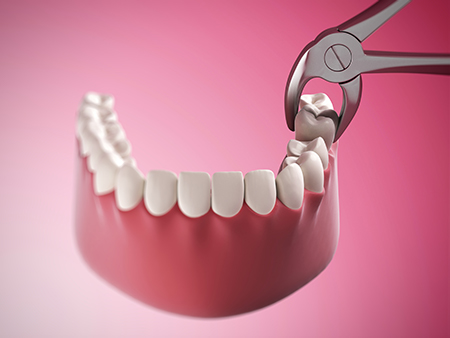
For a simple extraction, local anesthesia numbs the tooth and surrounding tissues. Your dentist gently loosens the tooth and removes it with forceps once the supporting fibers separate. These removals apply to visible teeth with accessible roots and are commonly completed in a single appointment.
If a tooth is broken, impacted, or fused to bone, a surgical extraction may be required. This can include a small incision in the gum, careful removal of a portion of overlying bone, and sectioning the tooth to remove it in pieces. In complex cases we may collaborate with or refer to an oral and maxillofacial surgeon.
Recovery is usually straightforward when a few key steps are followed. Expect some bleeding, swelling, and mild discomfort during the first 24 to 72 hours. Bite on gauze with steady pressure to encourage clot formation, and protect the clot by avoiding vigorous rinsing, spitting, or straws for the first day or two. Apply an ice pack in short intervals on the day of surgery to reduce swelling.
Take medications exactly as directed: finish any prescribed antibiotics, and start pain relief before the anesthesia fully fades. Avoid chewing or hot foods until numbness wears off, and stick to soft, cool or lukewarm foods at first. Smoking and vaping interfere with clotting and healing, so refrain from tobacco for at least a week when possible.
Keep brushing your other teeth carefully, and after the first day rinse gently with a mild saltwater solution as instructed. Keep your follow-up appointment so we can monitor healing, remove any sutures, and plan next steps. If you notice uncontrolled bleeding, increasing pain, or swelling that worsens after the first few days, contact the office right away.
Following an extraction, we coordinate restorative planning so your long-term dental health and appearance are accounted for, whether that means monitoring the site or replacing the tooth with a bridge, denture, or dental implant. If you would like more information about extractions or want to discuss whether removing a tooth is the right choice for your situation, please contact us for more information.
At Fresh Dental Group, a tooth extraction is the deliberate removal of a tooth from its socket to protect oral health and overall well-being. Extractions become necessary when a tooth is severely decayed, fractured beyond repair, ankylosed, or when an over-retained baby tooth prevents normal development. Removing a problem tooth can stop the spread of infection, relieve pain, and preserve the function and alignment of the remaining teeth.
The decision to extract is made only after a careful clinical evaluation and review of diagnostic images. In many cases alternative treatments such as root canal therapy or restorative dentistry are considered first, but extraction is recommended when those options cannot reliably save the tooth. Prompt extraction when indicated can prevent more extensive problems and support long-term oral health.
The assessment begins with a thorough medical and dental history and a complete clinical examination, including evaluation of tooth structure, periodontal support, and symptoms. Digital radiographs allow the dentist to examine root anatomy, bone levels, and the presence of infection or root fractures that are not visible on clinical exam alone. Together these findings guide whether restorative care, endodontic treatment, periodontal therapy, or extraction is the most appropriate course.
Patient factors such as systemic health, medications, and the ability to follow postoperative instructions also influence treatment planning. When a tooth is structurally unsound or the surrounding bone is severely compromised, extraction may be the safest and most predictable option. The dentist will explain the rationale, discuss alternatives, and review next steps to restore function and appearance when needed.
Extractions are generally classified as simple or surgical based on how the tooth presents and the complexity of removal. A simple extraction is performed when the tooth is visible in the mouth and can be loosened and removed with dental forceps following local anesthesia. Surgical extractions are required for teeth that are impacted, fractured at the gum line, ankylosed, or otherwise inaccessible, and they may involve a small incision, removal of bone, or sectioning of the tooth.
Surgical extractions are sometimes referred to an oral and maxillofacial surgeon for treatment when specialized expertise, advanced imaging, or intravenous sedation is indicated. Both types of procedures prioritize patient comfort, use effective anesthesia, and follow strict protocols to minimize risk and support healing. Your dentist will explain which approach is recommended and why before scheduling treatment.
Start by providing a complete list of medical conditions, current medications, and any allergies so your dentist can identify precautions and coordinate care with your medical providers if needed. Follow any preoperative instructions your provider gives, which may include withholding certain medications, taking prescribed preoperative antibiotics, or fasting for a specified period if sedation is planned. Arrange for transportation and a responsible adult to accompany you home if you will receive moderate or deep sedation.
Wear comfortable clothing and plan to rest for the remainder of the day after the procedure to promote recovery. If you have concerns about anxiety or pain control, discuss sedation options ahead of time so your care team can make appropriate arrangements. Clear communication prior to the appointment helps ensure a smooth experience and reduces surprises on the day of treatment.
Local anesthesia is used in virtually all extractions to numb the treatment area and prevent pain during the procedure, allowing you to remain alert and responsive. For patients with dental anxiety or for more complex surgical extractions, additional options such as nitrous oxide, oral sedatives, or intravenous sedation may be offered to promote relaxation and comfort. The choice of sedation depends on the procedure's complexity, your medical history, and your personal comfort preferences.
Your dentist or specialist will review the risks and benefits of each option and provide preoperative instructions tailored to the chosen approach. Monitoring and safety protocols are followed for all sedation levels to ensure a secure experience. If deeper sedation or general anesthesia is required, your case may be referred to or coordinated with an oral surgeon who provides those services.
Immediately after an extraction you can expect some bleeding, mild to moderate discomfort, and swelling that typically peaks within 24 to 48 hours. Your clinician will place gauze over the site and ask you to maintain firm pressure to encourage clot formation, and they will review pain management strategies that may include over-the-counter or prescription medications. Applying ice intermittently to the cheek and keeping your head elevated can help limit swelling and bruising in the first day.
Many patients are comfortable resuming light activities the following day, but strenuous exercise should be avoided until healing is established. Follow-up instructions will cover oral hygiene, diet, and signs to watch for that require attention. If sutures were placed, the office will advise you about removal or whether they will dissolve on their own.
Protecting the blood clot that forms in the socket is essential for uncomplicated healing; avoid rinsing vigorously, spitting, using straws, or smoking for the first 24 to 72 hours. Maintain gentle oral hygiene by brushing other areas of the mouth carefully and, after the first day, rinsing gently with a warm saltwater solution several times daily to keep the area clean. Eat soft, nutritious foods and stay well hydrated while avoiding hot, spicy, or crunchy items that could irritate the site.
Take medications exactly as prescribed and use cold compresses for the first 24 hours, then switch to warm compresses if recommended to improve comfort. Keep follow-up appointments so the clinician can monitor healing and remove stitches if necessary. If you have questions about wound care, nutrition, or returning to normal oral hygiene, contact your provider for personalized guidance.
Some degree of discomfort, swelling, and minor bleeding is normal, but certain symptoms suggest complications and warrant prompt attention. Contact the office if you experience persistent or heavy bleeding that does not respond to pressure, increasing or severe pain after the first 48 to 72 hours, fever, a foul taste or odor in the mouth, or swelling that worsens instead of improving. Numbness that persists beyond the expected recovery period or difficulty breathing or swallowing requires immediate evaluation.
Your dental team can assess whether additional treatment such as antibiotics, irrigation, or referral to a specialist is necessary. Early communication helps identify issues like dry socket, infection, or nerve involvement and allows timely care to prevent more serious problems. When in doubt, call the office so staff can advise you on next steps and arrange an urgent appointment if needed.
Yes, replacing missing teeth after extraction is an important part of restoring function, preserving bone, and preventing shifting of adjacent teeth. Common replacement options include removable dentures, fixed bridges, and dental implants, each with distinct benefits related to stability, aesthetics, and impact on surrounding tissues. The appropriate choice depends on the number of missing teeth, bone volume, patient health, and long-term goals for comfort and function.
When possible, clinicians may recommend measures to preserve or augment the socket, such as bone grafting at the time of extraction, to improve outcomes for later replacement with an implant. Your dentist will discuss timing for restoration and tailor a plan that integrates restorative and surgical considerations for a predictable result. Coordinating extraction and replacement planning up front helps streamline treatment and supports better long-term outcomes.
Fresh Dental Group offers experienced clinicians, modern imaging, and a patient-centered approach that emphasizes comfort and clear communication throughout the extraction process. Our team follows evidence-based protocols for anesthesia, infection control, and postoperative care, and we coordinate restorative planning so your extracted tooth can be replaced predictably when indicated. With offices in Fulton and Hampstead, care is delivered in a setting designed to reduce anxiety and support smooth recovery.
We prioritize individualized treatment planning that considers your medical history, oral health goals, and preferences for sedation or restorative options. If a surgical extraction or advanced sedation is required, we collaborate with specialists to ensure safe, high-quality care. Choosing a practice that integrates surgical experience with restorative planning helps patients transition from extraction to long-term function and comfort.
New Patients Welcome
Schedule online any time, or call the office directly. We accept most major PPO insurance plans and offer flexible financing.
